
Ledger.com/Start® | Getting started®™ — Ledger Support
Begin your Ledger wallet setup at Ledger.com/start with guidance for connecting your device, managing accounts, tracking assets, and protecting recovery details.
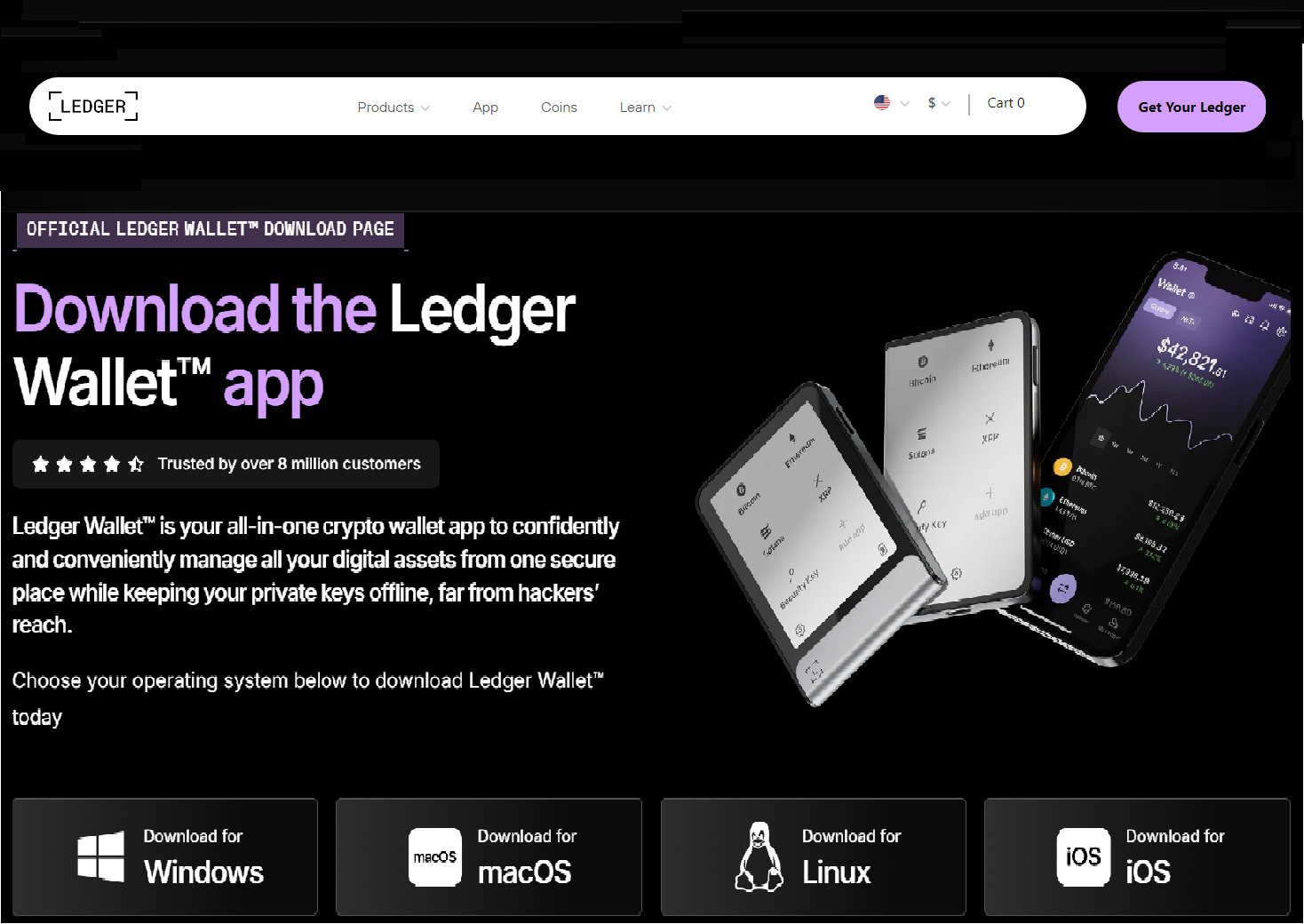
Ledger.com/start: Prepare Your Wallet for Everyday Crypto
A hardware wallet can become part of an everyday cryptocurrency routine for checking accounts, receiving assets, and approving supported transactions. Before using those features, however, it is important to establish the wallet correctly. Ledger.com/start provides a starting point for users learning about the Ledger setup process.
The goal is not simply to connect a device, but to understand the security practices surrounding it.
Begin With the Official Setup Route
Start by accessing trusted Ledger resources. Be careful when using search engines because advertisements and unofficial pages may appear alongside legitimate results.
Check the website address before entering any wallet-related information.
Set Up the Hardware
Connect your Ledger device using the instructions provided for your specific model.
During the configuration process, follow the prompts shown on the device and take time to understand the security choices you are making.
If you encounter instructions that seem unusual or ask for confidential information, stop and verify the source.
Protect the Wallet Backup
Your recovery information should be handled separately from ordinary login details.
Keep the backup information somewhere secure and inaccessible to others. Do not type it into a website, send it to another person, or store it in an easily accessible digital location.
This is one of the most important habits to establish from the beginning.
Explore Compatible Wallet Management
After the hardware setup is complete, connect the device with compatible wallet software.
Depending on the supported asset and account type, you may be able to monitor balances, review transaction history, and manage crypto holdings through the software.
Check the current supported-asset information before attempting to use a particular cryptocurrency.
Receiving Cryptocurrency
When receiving crypto, carefully provide the correct receiving address to the sender.
Always verify that the address belongs to the intended account before completing the transaction. For important transfers, taking an extra moment to check the details can help reduce avoidable errors.
Sending Cryptocurrency
Sending assets requires additional attention because blockchain transactions may not be reversible.
Before confirming a transfer, review the recipient address and amount on your hardware device. Only approve the transaction when the information matches your intention.
Keep Security Habits Consistent
A secure setup is useful only when good habits continue afterward.
Avoid unknown wallet extensions, suspicious downloads, unsolicited support messages, and websites requesting recovery information. When in doubt, independently open the official Ledger website rather than following an unexpected link.
Frequently Asked Questions
Can Ledger.com/start help with initial wallet setup?
It can serve as a starting point for learning about the Ledger device setup process.
Is it safe to share wallet recovery information?
No. Keep recovery information confidential and never disclose it to another person.
What should I verify before sending crypto?
Check the recipient address, amount, and other transaction details displayed during the approval process.
Can I use any wallet software with a Ledger device?
Compatibility depends on the device, software, asset, and network. Use supported software and verify current compatibility information.
Final Thoughts
Preparing a Ledger wallet involves more than completing a few setup screens. Ledger.com/start can help users begin with the right information, while careful recovery protection, trusted software, and transaction verification support a safer long-term crypto routine.
Updated about 8 hours ago