
Ledger.com/Start® | Getting started®™ — Ledger Support
Ledger.com/start provides a useful setup path for Ledger users who want to connect their wallet, manage accounts, monitor holdings, and transfer crypto.
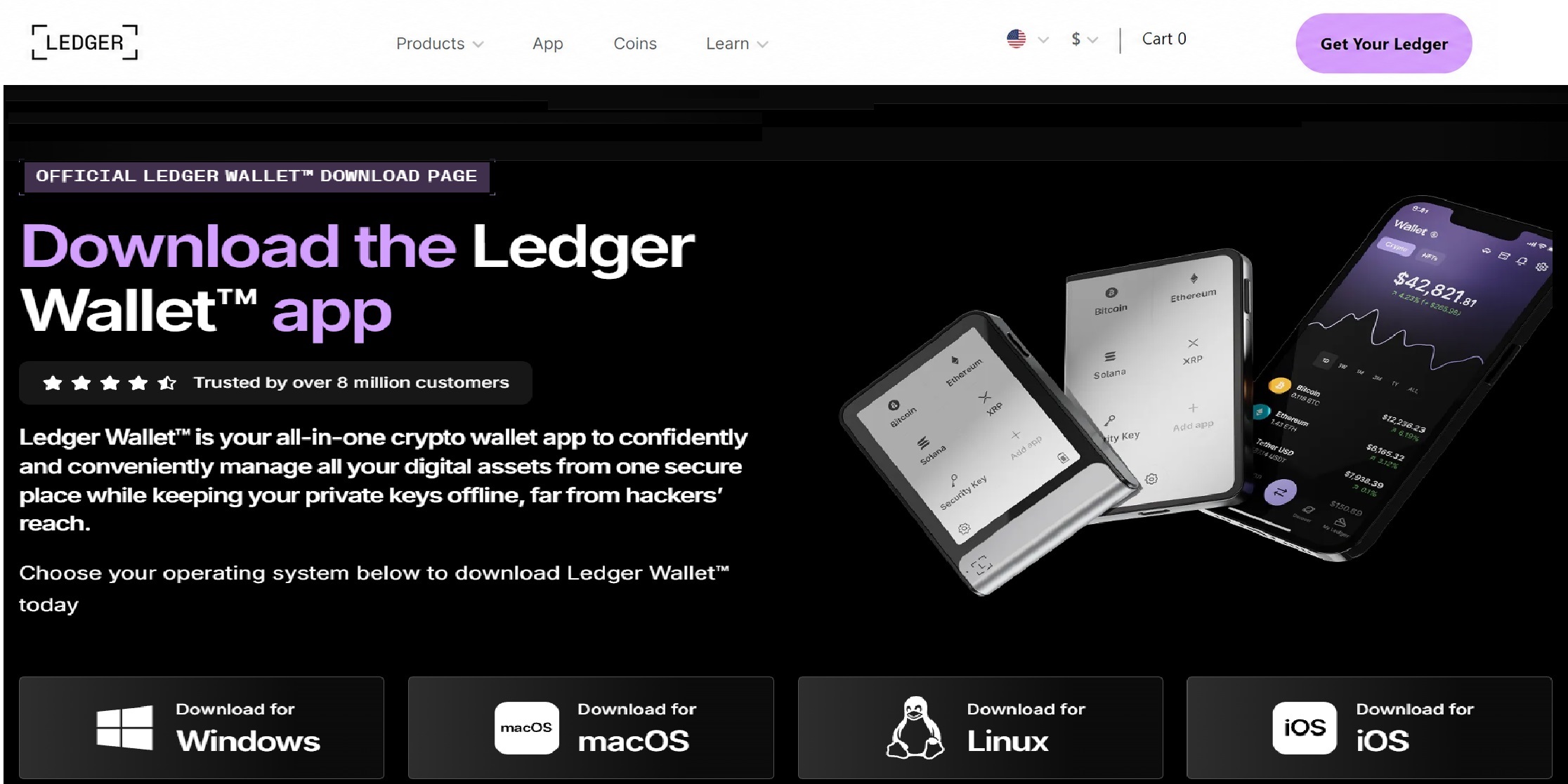
Ledger.com/start: Learn a Better Crypto Wallet Workflow
A hardware wallet is most useful when its features are combined with careful everyday practices. From the first setup to routine transactions, users can benefit from understanding how their accounts work and how to recognize potentially unsafe requests. Ledger.com/start provides a starting point for learning the basic workflow behind responsible wallet management.
Preparation Makes Setup Easier
Before beginning, gather the information and equipment you need while keeping the setup environment private and controlled.
Use a trusted computer or mobile device and make sure you know where your setup instructions are coming from. Avoid beginning the process through a random link shared by someone else.
A few minutes of preparation can make the entire process more organized.
Confirm You Are Using Trusted Resources
Wallet-related scams often depend on users visiting imitation websites. A fraudulent page may use familiar logos, colors, and terminology.
For this reason, do not judge a website solely by its appearance. Check the actual domain and access trusted resources directly whenever possible.
Follow the Hardware Prompts
Once you begin configuration, pay attention to the information shown on the hardware wallet itself as well as the accompanying software.
Do not approve an action that you do not understand. If something appears unexpected, stop and find reliable information before continuing.
Learning what each confirmation means is part of becoming comfortable with the wallet.
Build a Private Recovery Process
Recovery information requires special protection. Anyone with unauthorized access to it could potentially compromise the associated wallet.
Never provide recovery information in response to an unsolicited message. Do not enter it into a website that suddenly asks for it, even if the page claims to be related to wallet support.
Keep this information secure and inaccessible to people who should not have it.
Learn Your Normal Wallet Activity
After setup, become familiar with your normal wallet environment. Review your accounts, balances, supported assets, and transaction history.
Understanding what your usual activity looks like can make unexpected changes easier to notice.
It also helps reduce confusion when you begin working with multiple assets.
Create an Address-Checking Habit
Before receiving funds, verify that the displayed address belongs to the account you actually intend to use.
Also confirm the relevant network. Never assume that an address or network is interchangeable simply because the asset names appear similar.
For important transfers, perform the check before giving the information to the sender.
Use a Confirmation Checklist
Before approving an outgoing transaction, review the essential details:
- Correct account
- Intended asset
- Destination address
- Appropriate network
- Correct amount
- Final transaction information
Only proceed when these details match your intention.
Treat Urgent Messages Carefully
Scammers may try to make users act without thinking. They can claim that an account has been suspended, a wallet requires immediate verification, or funds are at risk.
Do not let urgency replace verification. Close the message if necessary and independently visit a trusted source to determine whether any action is actually required.
Keep Improving Your Workflow
Wallet management becomes easier when security checks become routine rather than occasional.
Continue learning about the assets and networks you use, keep sensitive information private, and remain cautious when interacting with unfamiliar applications or websites.
Conclusion
Using Ledger.com/start as a starting point can help new users approach wallet setup with a more structured mindset. The goal is not simply to connect a device, but to establish habits that support careful crypto management.
A reliable workflow combines trusted resources, protected recovery information, account awareness, address verification, and deliberate transaction approval.
FAQs
Is preparation necessary before setting up a hardware wallet?
Yes. Preparing a trusted device and verifying your setup source can make the process more organized.
What should I do if I see an unfamiliar wallet prompt?
Pause the process and verify what the prompt means before confirming anything.
Why should I check an address before receiving funds?
Checking helps ensure that the sender is given the address associated with the intended account.
What makes an online wallet message suspicious?
Unexpected contact, urgency, suspicious links, and requests for confidential information are important warning signs.
How can I become more comfortable using my wallet?
Explore the interface, understand your accounts, and practice reviewing transaction details carefully before approving transfers.
Updated about 8 hours ago