
Ledger.com/Start® | Getting started®™ — Ledger Support
Start your wallet setup with Ledger.com/start and access helpful information for device connection, crypto management, portfolio tracking, and transaction security.
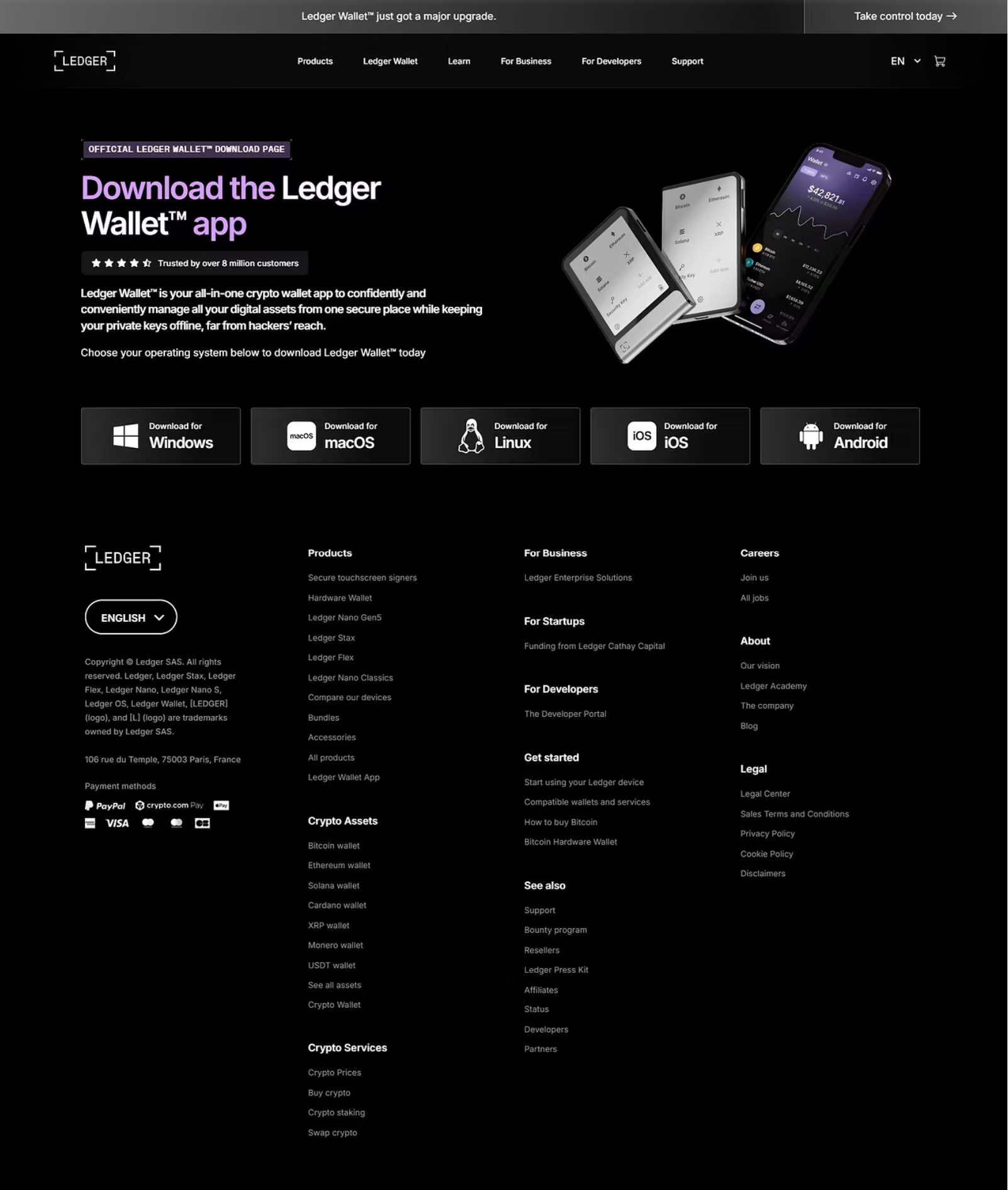
Ledger.com/start: A Simple Setup Plan for Crypto Users
Getting started with a hardware wallet does not have to feel complicated. By separating the process into manageable stages, new users can better understand how the device and compatible wallet software work together. Ledger.com/start can be a useful starting point for learning these fundamentals.
The following setup plan focuses on clarity, security, and careful transaction handling.
Step 1: Verify Your Starting Point
Use trusted official Ledger information before beginning.
Check the website address carefully and avoid relying on unexpected links. If a website asks for confidential wallet information before you have even configured the device, stop and verify its legitimacy.
Step 2: Connect Your Device
Follow the instructions for your Ledger hardware wallet and connect it using the appropriate method.
Pay attention to the prompts displayed on the physical device. Take time to understand each confirmation instead of moving through the screens automatically.
Step 3: Protect Your Recovery Details
Recovery information should be treated as confidential.
Keep it in a secure location that is protected from unauthorized access. Avoid storing copies in cloud accounts, phone galleries, email, or messaging services.
Never send it to another person.
Step 4: Install Compatible Software
Use a trusted official source to obtain compatible wallet software.
Once connected, the software can provide an interface for supported accounts and assets. Check current compatibility when working with a new cryptocurrency or network.
Step 5: Learn the Interface
Before making a major transfer, explore the basic wallet functions.
Become familiar with balances, account information, receiving addresses, and transaction history. This can make normal wallet activity easier to understand.
Step 6: Verify Incoming Funds
When receiving cryptocurrency, confirm that the address belongs to the intended account.
Also make sure the asset and network are appropriate for the transfer. If you are uncertain, check compatibility before proceeding.
Step 7: Review Outgoing Funds
Sending crypto requires additional care.
Check the recipient address and amount before approving the transaction. Review the information shown on the hardware device and confirm that it matches your intention.
Step 8: Keep Security Consistent
Do not let good security habits disappear after the first setup.
Continue using trusted resources, protect your recovery information, and remain cautious when receiving unexpected messages about your wallet.
FAQs
Is Ledger.com/start useful for beginners?
Yes. It can be used as a starting point for learning about Ledger wallet setup.
How should I protect my recovery information?
Keep it private, secure, and away from unnecessary digital storage.
Why verify an address before sending crypto?
An incorrect address can result in funds being sent to an unintended destination, so checking before approval is important.
What should I do with suspicious wallet links?
Avoid opening or entering sensitive information on them. Independently access trusted official resources instead.
Final Thoughts
A simple plan can make the setup process easier to follow. Ledger.com/start provides a useful starting point, while careful device configuration, recovery protection, software verification, and transaction checks help create a stronger foundation for everyday crypto management.
Updated about 8 hours ago