
Ledger.com/Start® | Getting started®™ — Ledger Support
Ledger.com/start makes it easier to configure your hardware wallet while providing guidance for crypto accounts, balances, transfers, and everyday management.
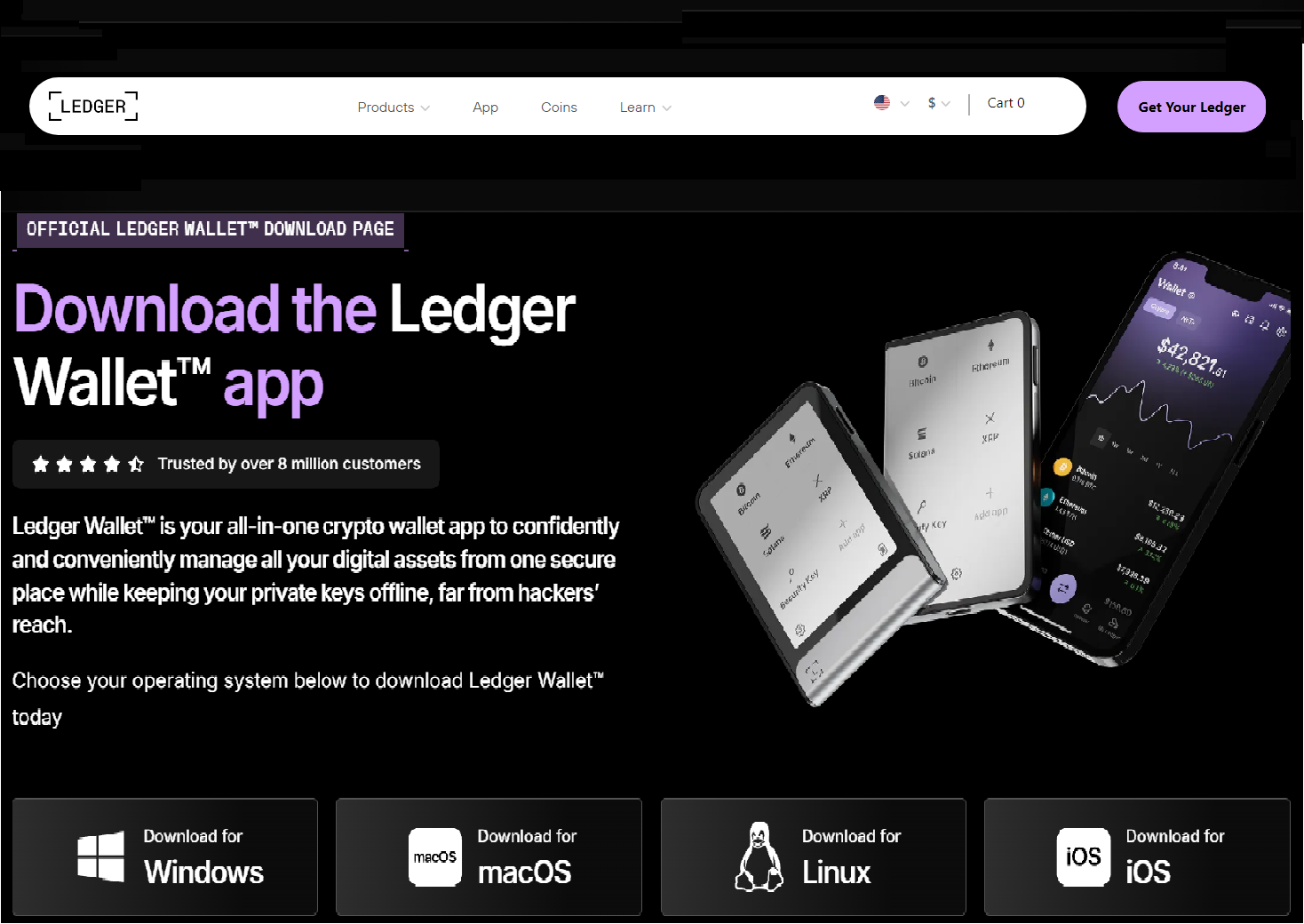
Ledger.com/start: What to Know Before Setting Up Your Wallet
Preparing a cryptocurrency hardware wallet involves several decisions that are easy to overlook when you are eager to get started. Ledger.com/start can help introduce the setup journey, but users should also understand the security principles behind each stage.
Knowing what to expect before connecting the device can make the process more straightforward.
Verify the Setup Source
Start by finding legitimate Ledger setup information.
Do not assume that every website using Ledger branding is official. Check the domain carefully and avoid unfamiliar links sent through messages or emails.
When dealing with cryptocurrency, source verification should happen before entering any sensitive information.
Check the Hardware
Inspect your device and its included materials before beginning the configuration.
If something seems unusual about the device or how it was supplied, pause the setup and seek information through trusted official channels.
Follow the On-Device Prompts
Connect your hardware wallet and proceed according to the instructions for your model.
Pay close attention to prompts shown directly on the device. If you are asked to confirm an action, understand what you are approving before continuing.
Understand the Recovery Process
During setup, you may receive important recovery information.
Treat this information as confidential. Keep it offline and secure, and never provide it to another person or enter it into a website.
A legitimate setup process should not require you to publish or disclose private recovery information.
Prepare Compatible Wallet Software
After the device is configured, install compatible wallet software through a trusted source.
Use the software to become familiar with your supported accounts and available wallet functions before moving significant funds.
Remember that supported cryptocurrencies and networks can differ depending on the setup.
Learn the Transaction Flow
Before your first transfer, understand how transactions are prepared and approved.
When sending cryptocurrency, carefully review the destination and amount. Take advantage of the hardware device's transaction display when available and confirm that the details match your intention.
Avoid Pressure Tactics
Scammers often try to create urgency.
Messages claiming that your wallet will be locked, suspended, or lost unless you immediately provide information should be approached with caution.
Do not let an urgent message override normal security practices.
Build a Personal Checklist
A simple routine can make future wallet use easier:
- Start from trusted official resources.
- Protect recovery information.
- Use compatible software.
- Confirm asset and network support.
- Review addresses before transfers.
- Check transaction details on the device.
- Ignore suspicious support requests.
Frequently Asked Questions
Is Ledger.com/start suitable for first-time users?
It can be used as a starting point for learning the basics of Ledger wallet setup.
Why should I verify the website address?
Imitation wallet websites can attempt to collect sensitive information, so checking the source is an important precaution.
What should I do if I receive a suspicious support message?
Do not provide sensitive information or follow unknown links. Independently access trusted official resources instead.
Why check the transaction on the hardware wallet?
It provides another opportunity to verify important transaction information before approval.
Conclusion
Preparing before you begin can make hardware-wallet setup more manageable. Ledger.com/start offers a useful starting point, while careful source verification, recovery protection, software selection, and transaction review help establish responsible wallet-management habits.
Updated about 8 hours ago